
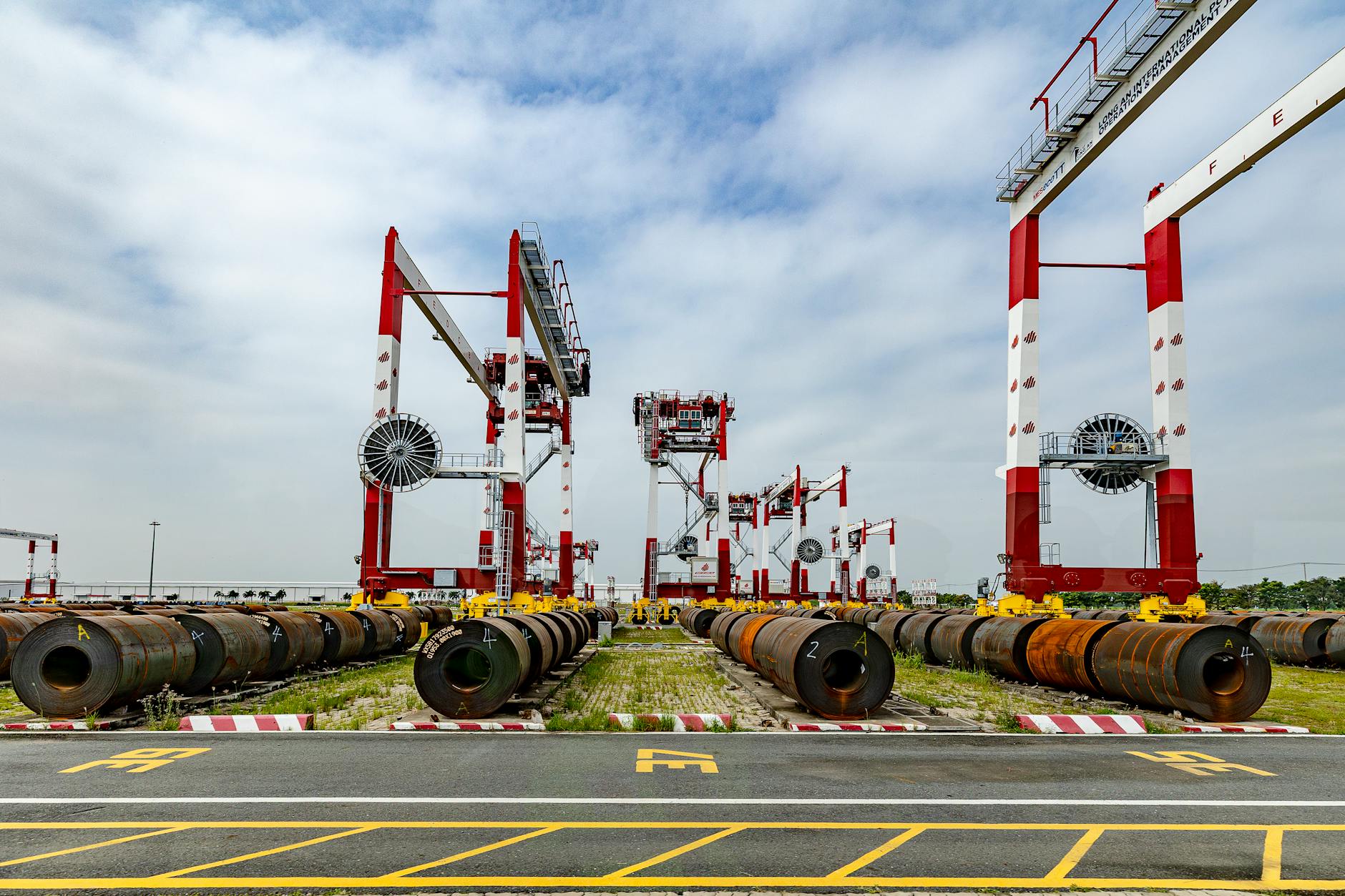
China’s Belt and Road Initiative (BRI) is the largest infrastructure and investment program in modern history. Launched in 2013 under President Xi Jinping, it spans more than 140 countries across Asia, Africa, Europe, Latin America, and the Middle East. At its core, the BRI is about building the physical and digital connections that China believes will underpin global commerce for the next generation: ports, railways, roads, pipelines, power grids, and fiber optic cables. For Western businesses, the BRI is neither threat nor opportunity in simple terms. It is a structural shift in global economic geography that creates specific openings and specific risks depending on where you operate and what you sell.
What the BRI Actually Builds
The BRI has two original components: the Silk Road Economic Belt, a series of overland corridors connecting China to Europe through Central Asia and the Middle East; and the 21st Century Maritime Silk Road, a network of port investments and shipping routes connecting China to Southeast Asia, South Asia, East Africa, and the Mediterranean.
In practice, the initiative has expanded well beyond its original scope to include the Digital Silk Road (telecommunications infrastructure, data centers, smart cities), the Health Silk Road (medical supply chains and hospital investments highlighted during COVID-19), and a growing emphasis on green energy projects. Total BRI-related investment commitments since 2013 are estimated at over $1 trillion across more than 3,000 projects, though actual disbursements are substantially lower and project completion rates vary significantly by region.
The key point for Western business strategists: wherever BRI infrastructure goes, Chinese commercial relationships follow. Port access agreements, construction contracts, and long-term financing arrangements all generate lasting economic ties between recipient countries and Chinese state-owned enterprises, banks, and private firms. That is both the stated purpose and the practical effect.
Where BRI Creates Openings for Western Companies
Third-Country Market Access
BRI infrastructure investment improves logistics connectivity in markets that were previously difficult to serve efficiently. Bangladesh, Ethiopia, Kenya, Pakistan, and Serbia have all received significant BRI-funded port, rail, or road investment. For Western companies with regional distribution ambitions in these markets, better infrastructure lowers the cost and complexity of reaching consumers, even if the infrastructure was funded by Chinese capital.
This is not a hypothetical benefit: European consumer goods companies have expanded distribution into East African markets specifically because port and road improvements reduced last-mile logistics costs to viable levels. The infrastructure does not carry a flag; it serves whoever can access it commercially.
Construction and Engineering Subcontracting
While Chinese state-owned enterprises (SOEs) typically lead BRI construction projects, they frequently subcontract specialized work to international firms. Western companies with expertise in tunneling, bridge engineering, environmental compliance, project management systems, or specialized equipment supply have secured contracts as part of BRI project delivery chains. Accessing these opportunities typically requires direct engagement with the lead Chinese SOE contractor, often through relationships built in China rather than in the project country.
Financial and Professional Services
BRI projects require legal documentation, project finance structuring, insurance, and technical auditing. International law firms, insurance companies, and financial institutions have found niche roles in BRI-adjacent deal structures, particularly where the financing involves multilateral development bank co-lending or where Western institutional investors are seeking infrastructure asset exposure. The U.S. International Trade Administration’s BRI overview identifies professional services as one of the clearest areas where Western firms can participate commercially without direct competition with Chinese contractors.
Where BRI Creates Competitive Pressure
Preferred Supplier Dynamics
BRI financing agreements frequently include provisions that favor Chinese goods, equipment, and labor in project execution. A Chinese-funded port in Pakistan or a Chinese-built railway in Kenya creates a commercial ecosystem oriented toward Chinese suppliers for maintenance, operations, and related services. Western companies that had previously sold equipment or services into those markets may find Chinese competitors entrenched through BRI relationships before they can respond.
This is particularly pronounced in the telecommunications sector. Chinese vendors including Huawei and ZTE have built significant telecommunications infrastructure across BRI countries. Once that infrastructure is installed, the maintenance, upgrade, and expansion contracts tend to flow to the original vendor. For Western telecom equipment suppliers, the window for competition in many of these markets is narrowing.
Market Access Asymmetry
BRI recipient countries sometimes grant Chinese firms preferential market access as part of negotiated frameworks. This can manifest as reduced tariffs on Chinese goods, special economic zones where Chinese companies operate under advantaged conditions, or regulatory approvals that facilitate Chinese investment while creating friction for Western entrants. Western companies entering markets with heavy BRI presence should conduct specific market access assessments rather than assuming standard bilateral trade terms apply. For a framework on assessing entry barriers in new markets, see our guide on how to conduct due diligence on Chinese business partners, which covers the partner and regulatory verification process in detail.
The Debt Sustainability Question
The “debt trap” narrative around BRI has been contested in academic literature, but the underlying concern is commercially relevant: some BRI recipient governments have taken on debt-to-GDP loads that limit their future fiscal flexibility. Countries with high BRI debt burdens may face constrained public spending, reduced ability to fund infrastructure maintenance, or political pressure that reshapes commercial relationships. Western companies operating in markets like Zambia, Sri Lanka, or Laos should factor sovereign debt dynamics into their business environment assessments. This is not a reason to avoid these markets; it is a reason to model your exposure carefully and maintain flexibility in how you structure commercial commitments.
Practical Steps for Western Companies
- Map your target markets against BRI investment: The American Enterprise Institute and Heritage Foundation maintain public databases of Chinese investment and construction contracts by country and sector. Running your target markets through these tools reveals where Chinese commercial relationships are deepest and where BRI infrastructure creates either opportunity or competitive headwinds.
- Engage Chinese SOEs as potential partners, not just competitors: Western companies with technology, environmental compliance expertise, or specialized engineering capabilities can position themselves as value-added partners in BRI project delivery. This requires building relationships in China, not just in the project country.
- Use multilateral channels: The G7’s Partnership for Global Infrastructure and Investment (PGII) and the EU’s Global Gateway program both represent Western-led alternatives to BRI financing. Western companies can pursue contracts within these frameworks as an alternative route to infrastructure-related work in developing markets. According to analysis from Reuters, both PGII and Global Gateway have increased funding commitments as direct competitive responses to BRI’s reach.
- Assess regulatory environments in BRI-heavy markets: Before entering a market with heavy Chinese investment, understand the regulatory framework: are Chinese firms operating under MFN terms, or have bilateral agreements created preferential conditions? Your legal and compliance team needs this input before market entry planning proceeds. For context on navigating trade and regulatory environments, see our overview of how tariffs have reshaped US-China trade routes.
- Monitor the Digital Silk Road specifically: The BRI’s digital component is the fastest-moving and most strategically significant for Western technology companies. Chinese telecommunications vendors, cloud providers, and smart city platforms are building infrastructure that shapes what technology standards, data protocols, and vendor relationships govern digital commerce in BRI countries for decades. Western tech companies should track Digital Silk Road developments as a core part of their competitive intelligence.
The Bottom Line
The Belt and Road Initiative is not going away and is not primarily a geopolitical problem to be managed. It is a commercial reality that has restructured infrastructure, financing relationships, and supplier ecosystems across more than 140 countries. Western companies that treat it as background noise in their market analysis will find themselves consistently surprised by the Chinese commercial presence they encounter. Those that map BRI dynamics systematically into their market entry, competitive positioning, and partner strategy will find both specific risks to manage and specific opportunities that the infrastructure itself creates.