

For decades, American companies have looked to China as the ultimate growth market — a country with more than 1.4 billion consumers, a rising middle class, and one of the fastest-moving digital economies in the world. The opportunity is undeniable, but so are the challenges. Success in China isn’t about copying and pasting what works in the United States. It’s about learning how to adapt, navigate, and build for the long term.
Why China Still Matters for American Businesses
Even with shifting geopolitics and global competition, China remains the second-largest economy in the world, accounting for nearly 18% of global GDP according to the World Bank. Its consumer base continues to expand, particularly in luxury, technology, and lifestyle goods. A Bain & Company report found that Chinese consumers are expected to contribute nearly 40% of global luxury spending by 2030.
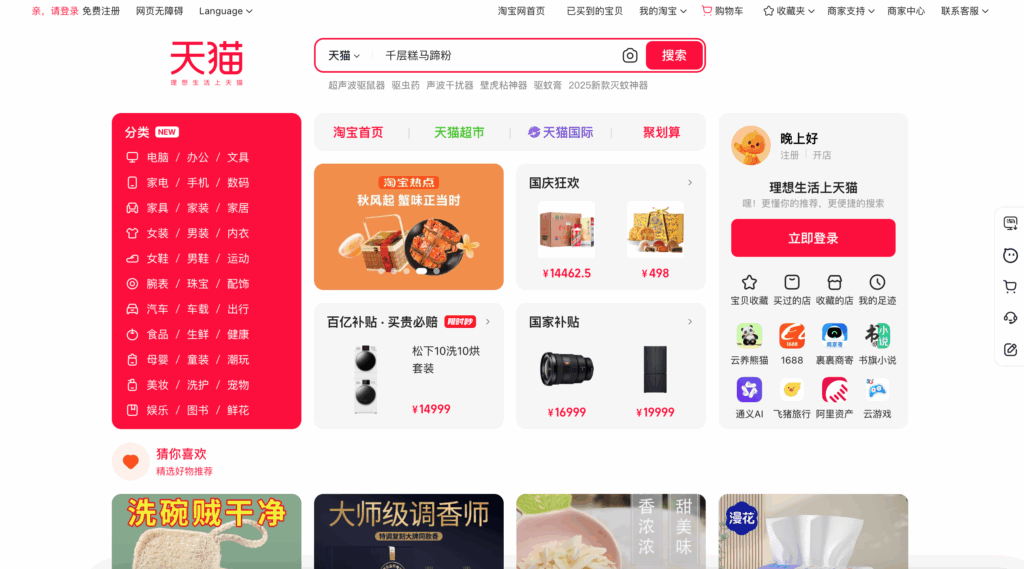
Chinese digital commerce is equally powerful. Platforms like Alibaba’s Tmall, and Pinduoduo dominate global rankings for online retail, setting new standards for mobile-first innovation. For American companies, this market represents unmatched scale and speed — but also entrenched competitors and consumers who demand localized offerings.
The Real Challenges US Firms Face
Regulation is one of the first barriers. China’s legal framework evolves quickly, and requirements can vary significantly by industry and even by province. A healthcare company entering Shanghai may need approvals entirely different from one operating in Beijing. For foreign firms, this complexity often stalls progress without expert guidance.
Consumer behavior is another major difference. Many Chinese consumers skipped the desktop era and went straight to mobile. Platforms like WeChat, Douyin (TikTok’s domestic counterpart), and Xiaohongshu (Little Red Book) are central to shopping, payments, and communication. Trust is earned through peer reviews and social validation more than through traditional advertising — a dynamic highlighted in McKinsey’s China Consumer Report.
Intellectual property concerns, while improving, still require vigilance. Registering trademarks early and monitoring for infringement remain best practices. Finally, cultural differences can be a make-or-break factor. In China, business relationships rely heavily on patience, subtlety, and trust — qualities embodied in the concept of guanxi — whereas Western directness can sometimes backfire.
Market Entry Strategies That Work
Many American firms have succeeded by partnering with local players. Starbucks entered through a joint venture with Beijing Mei Da, giving it immediate credibility and smoother access to distribution. That partnership set the stage for Starbucks’ later move to full ownership, demonstrating how gradual strategies can work in the long term.
Other companies pursue wholly foreign-owned enterprises (WFOEs), which allow full control but also full compliance responsibility. This structure tends to work best in sectors where foreign investment is welcomed, such as advanced manufacturing and certain services.
E-commerce has become a favored entry point, especially for consumer brands. Selling on Tmall Global or JD Worldwide allows US businesses to test demand without massive upfront investment in physical stores. For many smaller companies, this approach reduces risk while putting their products in front of millions of digital-first consumers.
Cross-border collaborations are also increasingly effective. Partnering with distributors, local agencies, or key opinion leaders (KOLs) accelerates recognition in categories like fashion, supplements, and lifestyle products. In a market where influencers can drive entire sales cycles, these partnerships often determine whether a foreign brand stays niche or scales rapidly.
Building for Long-Term Success
Market entry is only the beginning. Sustained success depends on three key pillars: localization, digital engagement, and trust-building.
Adapting Your Model To Enter China’s Market
Localization means more than translation. It requires adapting products, packaging, and messaging to fit Chinese preferences. KFC China is a well-known example highlighted by the Harvard Business Review. Rather than replicating its US menu, it introduced local dishes such as congee and egg tarts, transforming itself into a household name.

Entering China’s Social Market
Digital engagement is equally vital. Maintaining an active presence on China’s many social applications like WeChat, Douyin, Weibo, and Xiaohongshu isn’t optional — it’s fundamental. These platforms integrate marketing, e-commerce, and payments into a single ecosystem, meaning brands must meet consumers where they already live online.
Finally, trust and guanxi are the long-term glue of Chinese business. Contracts matter, but the personal network behind them often matters more. Building relationships with patience and authenticity creates resilience and opportunities that purely transactional approaches cannot.
Key Takeaways
or US companies, China offers growth on a scale unmatched anywhere else. But success requires more than ambition. It means respecting regulations, adapting to consumer behaviors, protecting intellectual property, and most importantly, committing to cultural understanding. Partnerships, localization, and patient trust-building aren’t optional strategies — they’re the foundation for sustainable growth.
At Great Handshake, we believe that business isn’t just about transactions — it’s about connecting consulting, culture and commerce into meaningful, long-term success. For US companies ready to explore China, the journey is complex but transformative, and those who prepare wisely will find themselves part of one of the most dynamic markets in history.